

What is Form 2290?
Form 2290 is essential for owners of heavy highway vehicles with a taxable gross weight of 55,000 pounds or more. It’s used to figure and pay the Heavy Highway Vehicle Use Tax (HVUT), or to report vehicles as tax-suspended when they meet the low-mileage rules. In most cases, you file it when the vehicle is registered in your name and used on public highways during the tax period.
What is a 2290 form used for?
2290 filing is crucial for those owning heavy highway vehicles. It ensures compliance with tax regulations. Here are the exact conditions:
- To register a vehicle weighing 55,000 pounds or more.
- To report the use of public highways by heavy vehicles.
How to fill out a 2290 form

- 1
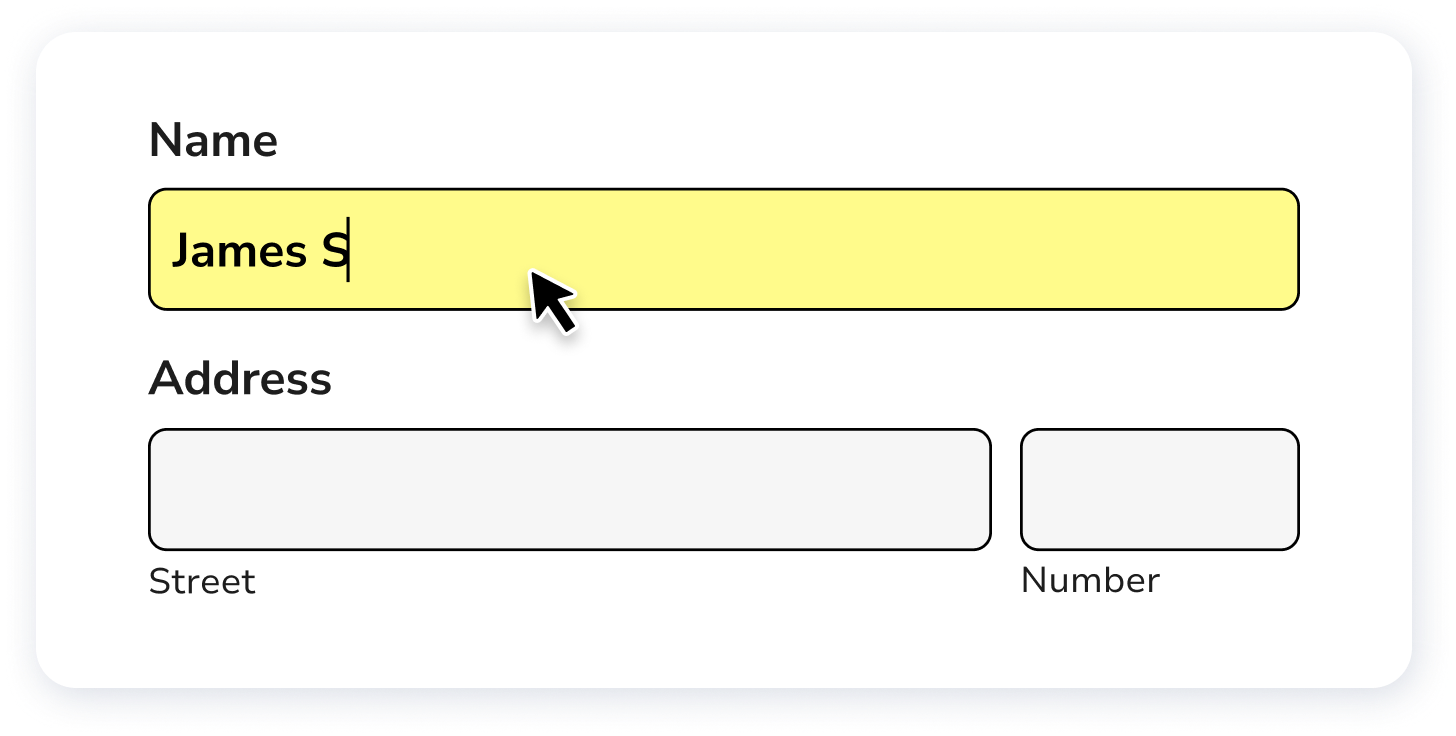
Start by entering your business name and address in the designated fields.
- 2
Input your Employer Identification Number (EIN); remember, a Social Security Number won't suffice for this form.
- 3
Fill in the details of your taxable vehicles, including VIN and the weight category.
- 4
Calculate and enter the tax amount due based on the vehicle information provided.
- 5
If applicable, claim credits for any vehicles sold or destroyed.
- 6
Add your signature where required before saving your form. Be aware that signature protocols differ for mail and e-filing methods.
- 7
Review all information for accuracy before downloading the completed form.
Who is required to file a 2290 form?
Truck owners with vehicles weighing 55,000 pounds or more must file Form 2290 to pay the Heavy Highway Vehicle Use Tax.
The IRS uses Form 2290 to collect taxes, and state DMVs require it to register heavy highway vehicles.
When is a 2290 not required?
IRS Form 2290 is not required for individuals who operate vehicles with a gross weight of less than 55,000 pounds. This includes most personal vehicles and small business vans or trucks that fall below this weight threshold.
Owners of vehicles expected to be used 5,000 miles or less (or 7,500 miles or less for agricultural vehicles) during the tax period may qualify to have the tax suspended. In that case, you typically still file Form 2290, but you report the vehicle as tax-suspended instead of paying HVUT for it.
When is Form 2290 due?
For most vehicles first used on public highways in July, the Form 2290 due date is August 31. If your vehicle is first used in a different month, the form is generally due by the last day of the month following the month of first use.
Remember to mark these dates in your calendar to stay compliant with tax regulations.
How to get a blank 2290 form
On our platform, we have a blank, printable 2290 form template in our editor for you to fill out.
Remember, our website helps with filling out and downloading, but not with the 2290 online filing. We suggest consulting a tax professional for that, especially if this is your first ever submission.
How to sign the 2290 form online
To sign your 2290 tax form online, start by loading the form in PDF Guru's PDF editor. Fill out the necessary sections of the form with your information.
Once completed, you can add a simple electronic signature on this website to sign the form before downloading it. If you plan to mail Form 2290, make sure it’s signed according to IRS paper-filing instructions; if you e-file, your IRS-approved provider will guide you through the signature step.
Remember to download the form after signing.
Where to file a 2290?
Form 2290 can be e-filed online through an IRS-approved e-file provider. If you’re reporting 25 or more vehicles, the IRS requires e-filing. This method is quick and ensures faster processing of your Heavy Highway Use Tax.
Alternatively, you can also mail your completed Form 2290 to the IRS. This option might take longer to process compared to electronic submission.
What other tax forms are related to Form 2290?
Request a refund or credit if you overpaid HVUT. For example, if a vehicle was sold, destroyed, or used less than expected.
Who uses it: Truck owners and businesses that need money back after filing Form 2290.
Claim a credit for the federal fuel tax you paid in situations where the fuel wasn’t used for typical highway driving (for example, certain off-highway uses).
Who uses it: Businesses and individuals who pay fuel tax but qualify for a fuel tax credit.
Apply for an Employer Identification Number (EIN), which you need to file Form 2290 (a Social Security Number can’t be used). If you don’t already have an EIN, this is the form that gets you set up so you can submit your 2290 without delays.
Who uses it: New businesses and owner-operators who need an EIN before filing Form 2290.