
What is Form 8888?
Tax Form 8888, Allocation of Refund, lets you split your federal tax refund into two or three different accounts using direct deposit. Instead of sending your entire refund to one place, you can divide it between checking, savings, or even retirement accounts like a traditional IRA, Roth IRA, SEP IRA, HSA, or Coverdell ESA. For example, you could send half to your savings account and half to your IRA — all in one step when you file your return.
What is Form 8888 used for?
Form 8888 is used to:
- Split your tax refund across two or three accounts via direct deposit.
- Direct portions of your refund to different account types — checking, savings, retirement, or health savings accounts.
Note: The option to purchase U.S. Series I Savings Bonds through Form 8888 has been discontinued.
How to fill out Form 8888

1. Enter your personal information:
- Your name(s) and Social Security number, exactly as they appear on your tax return.
2. Set up your first deposit (Line 1):
- Line 1a: The dollar amount you want in this account (minimum $1).
- Line 1b: The bank's 9-digit routing number (first two digits must be 01–12 or 21–32).
- Line 1c: Check either Checking or Savings — only one.
- Line 1d: Your account number (up to 17 characters, including hyphens, skipping spaces and symbols).
3. Set up your second deposit (Line 2):
- Fill in lines 2a–2d the same way — amount, routing number, account type, and account number for your second account.
4. Set up your third deposit (Line 3, optional):
- Only fill this in if you're splitting your refund three ways. Same format as above.
5. Add it all up (Line 5):
- Add lines 1a, 2a, and 3a together. This total must match your exact refund amount on your tax return. If it doesn't, your refund may be delayed.
6. Double-check and attach:
- Verify all routing and account numbers with your bank. Never cross out or white out anything on the form — the IRS will reject it. Attach Form 8888 to your Form 1040 when you file.
Who is required to fill out Form 8888?
You only need Form 8888 if you want your refund deposited into more than one account. If your entire refund is going to a single account, skip this form and just enter your direct deposit details on your tax return.
When is Form 8888 not required?
You don't need Form 8888 if:
- Your entire refund is going to one account — enter the direct deposit info directly on your tax return.
- You'd rather receive a paper check — though starting October 2025, the IRS is generally phasing out paper refund checks.
- You're filing Form 8379 (Injured Spouse Allocation) — you cannot split your refund into multiple accounts in that case.
When is Form 8888 due?
Form 8888 is attached to your tax return, so the deadline is the same — typically April 15. If you file an extension, submit Form 8888 when you file your completed return.
How to get a blank Form 8888
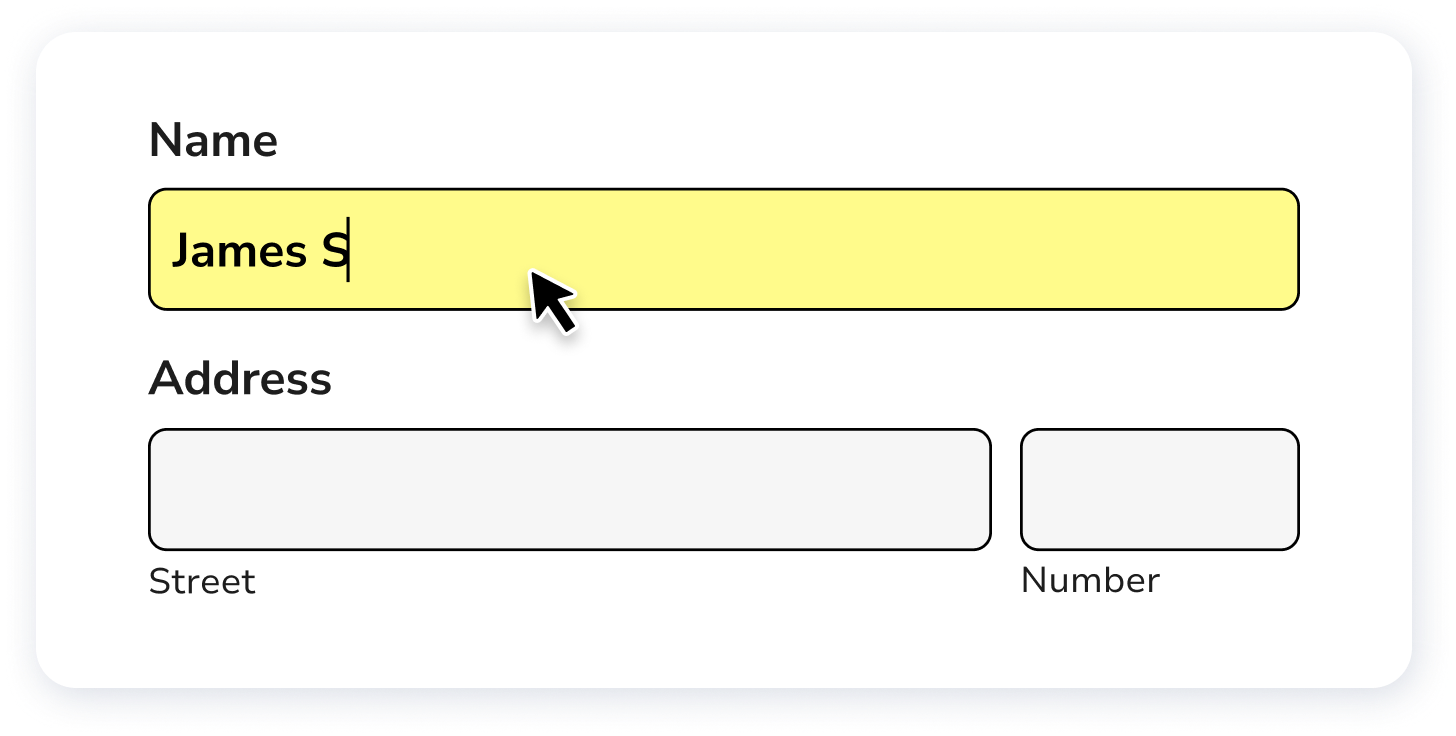
To get a blank Form 8888, issued by the IRS, visit our platform, where the template is pre-loaded in our editor, allowing you to fill it out and download it for your use.
Remember, our website helps with creating the form, but doesn't handle the filing process.
How to sign Form 8888 online
Form 8888 doesn't have its own signature line — it's attached to your Form 1040, which you sign. Just complete Form 8888 in PDF Guru's editor, download it, and include it with your return.
Where to file an 8888?
Form 8888 goes with your tax return — either electronically through IRS e-file or by mail with your paper Form 1040. It's never filed separately.
Other forms related to the IRS Form 8888
Form 1040 / 1040-SR / 1040-NR – U.S. Individual Income Tax Return 
The tax return to which Form 8888 is attached. If you want your refund deposited into a single account, you can enter the direct deposit information directly on Form 1040 without using Form 8888.
Who uses it: All individual taxpayers filing a federal income tax return.
Form 8379 – Injured Spouse Allocation 
Used when one spouse's share of a joint refund is being offset to pay the other spouse's past-due debts, such as child support, student loans, or back taxes. If you file Form 8379, you cannot use Form 8888 to split your refund into multiple accounts.
Who uses it: The spouse who is not responsible for the past-due debt and wants to protect their share of the refund.
Form 5498 – IRA Contribution Information 
Reports contributions made to your IRA, including deposits from tax refunds. If you use Form 8888 to direct part of your refund into a traditional, Roth, or SEP IRA, the trustee will report that deposit on Form 5498.
Who uses it: IRA trustees and custodians reporting contributions to the IRS and the account holder.
Form 8889 – Health Savings Accounts (HSAs) 
Used to report HSA contributions, deductions, and distributions. If you use Form 8888 to deposit part of your refund into an HSA, the contribution must be reported on Form 8889 and is subject to annual contribution limits.
Who uses it: Taxpayers who contribute to or receive distributions from a Health Savings Account.
Form 5329 – Additional Taxes on Qualified Plans and Other Tax-Favored Accounts 
Used to report additional taxes on excess contributions to IRAs, HSAs, or Coverdell ESAs. If a refund offset or math error changes the amount deposited into one of these accounts through Form 8888, you may need Form 5329 to correct excess contributions.
Who uses it: Taxpayers who made excess contributions or took early distributions from tax-favored accounts.