
What is a 1040 form?
Form 1040 is essential for individuals to report their yearly income to the IRS and calculate their tax bill. It's needed by anyone earning income in the U.S., including employees, freelancers, and business owners. Filling out this form accurately ensures you pay the correct amount of taxes or receive the right refund.
What is Form 1040 used for?
Filing taxes can be daunting, but understanding Form 1040 is a great place to start. Here's what it's used for:
- To report your annual income to the IRS.
- To calculate the amount of tax you owe or the refund you're entitled to.
- To claim any deductions or credits that may reduce your tax bill.
How to fill out 1040 Form

01. Check one filing status box:
- Single
- Married filing jointly
- Married filing separately
- Head of household
- Qualifying surviving spouse
Your filing status affects your tax calculation and standard deduction.
02. Name, Address, and SSNs
- Enter your full name and Social Security number.
- If filing jointly, enter your spouse’s name and SSN.
- Provide your current mailing address.
03. List each dependent:
- Name
- Social Security number
- Relationship to you
- Check boxes for applicable credits, if shown.
04. Report income on the numbered lines, such as:
- Wages and salaries (from Form W-2)
- Interest and dividends
- Business, retirement, unemployment, or other income
- Add amounts to calculate total income.
05. Enter adjustments to income (from Schedule 1, if applicable).
- Subtract adjustments from total income.
- The result is your Adjusted Gross Income (AGI), shown on Line 11.
06. Enter your standard deduction, or attach Schedule A if you itemize deductions.
- Subtract deductions from AGI to calculate taxable income.
07. Calculate tax using tax tables or worksheets.
- Enter eligible nonrefundable credits (from Schedule 3, if required).
- Add any additional taxes (from Schedule 2, if applicable).
08. Report payments already made, including:
- Federal income tax withheld
- Estimated tax payments
- Refundable credits
These payments are applied against your total tax.
09. If payments exceed tax owed, enter your refund amount.
- Provide bank account details for direct deposit, if desired.
10. If tax owed is greater than payments, enter the amount due.
This section is completed only if you owe tax.
11. Optionally authorize another person to discuss your return with the IRS.
This section is optional and may be left blank.
12. Sign and date the return to certify it is correct.
- If filing jointly, both spouses must sign.
- Enter your occupation and daytime phone number.
13. The Paid Preparer section is completed only if a tax preparer prepared the return.
Leave it blank if you prepared the form yourself.
Who is required to fill out Form 1040?
Individuals in the United States may be required to file Form 1040 to report their annual income and calculate any tax owed or refund due. Whether you must file depends on factors such as your income level, filing status, age, dependency status, and type of income, based on IRS rules for the specific tax year.
When is Form 1040 not required?
Some individuals may not be required to file Form 1040 if their income is below the IRS filing threshold for their filing status and age. Filing requirements change each year and depend on multiple factors, so it’s important to review the IRS guidelines for the applicable tax year to determine whether filing is required.
When is Form 1040 due?
The deadline for the 1040 form, which is the U.S. individual income tax return, is April 15 each year. If April 15th falls on a weekend or a holiday, the due date is the next business day.
Remember to check the IRS website for updates, as deadlines can change due to special circumstances.
How to get a blank 1040 template
If you need to fill out Form 1040 issued by the IRS, our platform provides a fillable 1040 form with clear, step-by-step instructions to help you complete it correctly. You can fill out and download the form directly on our website.
Please note that PDF Guru supports preparing and downloading the form, but does not submit it to the IRS.
How to sign Form 1040 online
To sign a 1040 tax form (PDF is used as the standard format), start by using PDF Guru's PDF editor. Fill out the necessary fields on your form.
After completing the form, use PDF Guru to create a simple electronic signature. Place it in the designated area on your Form 1040.
Where to file Form 1040?
Most taxpayers file Form 1040 electronically using the IRS e-file system or an IRS-authorized tax software provider, which is the fastest and most secure option.
Alternatively, file a printable 1040 form to the IRS address listed in the official instructions. It varies by location and whether a payment is included.
Other forms and schedules related to 1040
- Schedule 1 – Additional Income and Adjustments to Income\ Used to report income not listed directly on Form 1040, such as unemployment compensation, and to claim adjustments that reduce adjusted gross income (AGI).
- Schedule 2 – Additional Taxes\ Used to report certain taxes that are not included in the main tax calculation, such as self-employment tax or other special taxes.
- Schedule 3 – Additional Credits and Payments Used to claim nonrefundable tax credits and certain payments that are applied to your total tax.
- Schedule A – Itemized Deductions Attached if you choose to itemize deductions instead of taking the standard deduction.
- Schedule B – Interest and Ordinary Dividends Used to report interest and dividend income when IRS reporting thresholds are met, or additional disclosure is required.
- Schedule C – Profit or Loss From Business Used by sole proprietors to report business income and expenses that flow into Form 1040.
- Schedule D – Capital Gains and Losses Used to report gains or losses from selling investments, property, or other capital assets.
- Schedule E – Supplemental Income and Loss Used to report rental income, royalties, and income from certain partnerships, trusts, or S corporations.
- Schedule SE – Self-Employment Tax Used to calculate self-employment tax, with the result carried over to Form 1040.
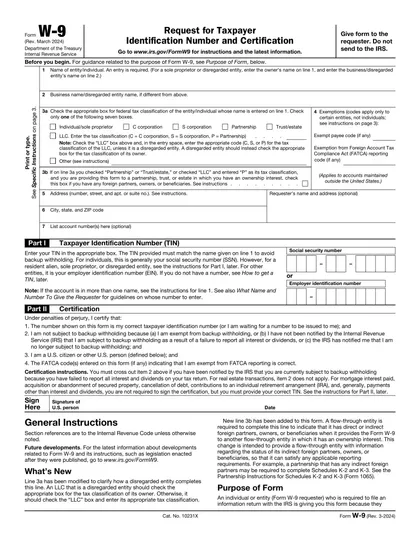
- Form W-2 – Wage and Tax Statement Provides wage and federal tax withholding information that is entered on Form 1040.
- Form 1099 Series (1099-NEC, 1099-MISC, 1099-INT, and others) Reports various types of income, such as freelance earnings, interest, or miscellaneous income, that must be included on Form 1040.