
What is the FL-2 form?
Form FL-2, also called the Adult Care Home FL-2 or NC Medicaid 372-124, is a North Carolina Department of Health and Human Services document that captures a physician's recommendation for placement in an adult care home or family care home. The patient's primary medical provider fills out the medical and functional sections so the receiving facility, county Department of Social Services, and NC Medicaid know the level of care a resident needs from day one.
What is FL-2 used for?
FL-2 documents the medical case for placement in a North Carolina adult care home and supports related Medicaid services. Providers and facilities use it to:
- Recommend assisted living placement at a specific level of care
- Record diagnoses, current medications, allergies, and treatments
- Capture functional limits with daily activities such as bathing and meals
- Note physician orders, special diets, and behavioral considerations
How to fill out FL-2

- 1
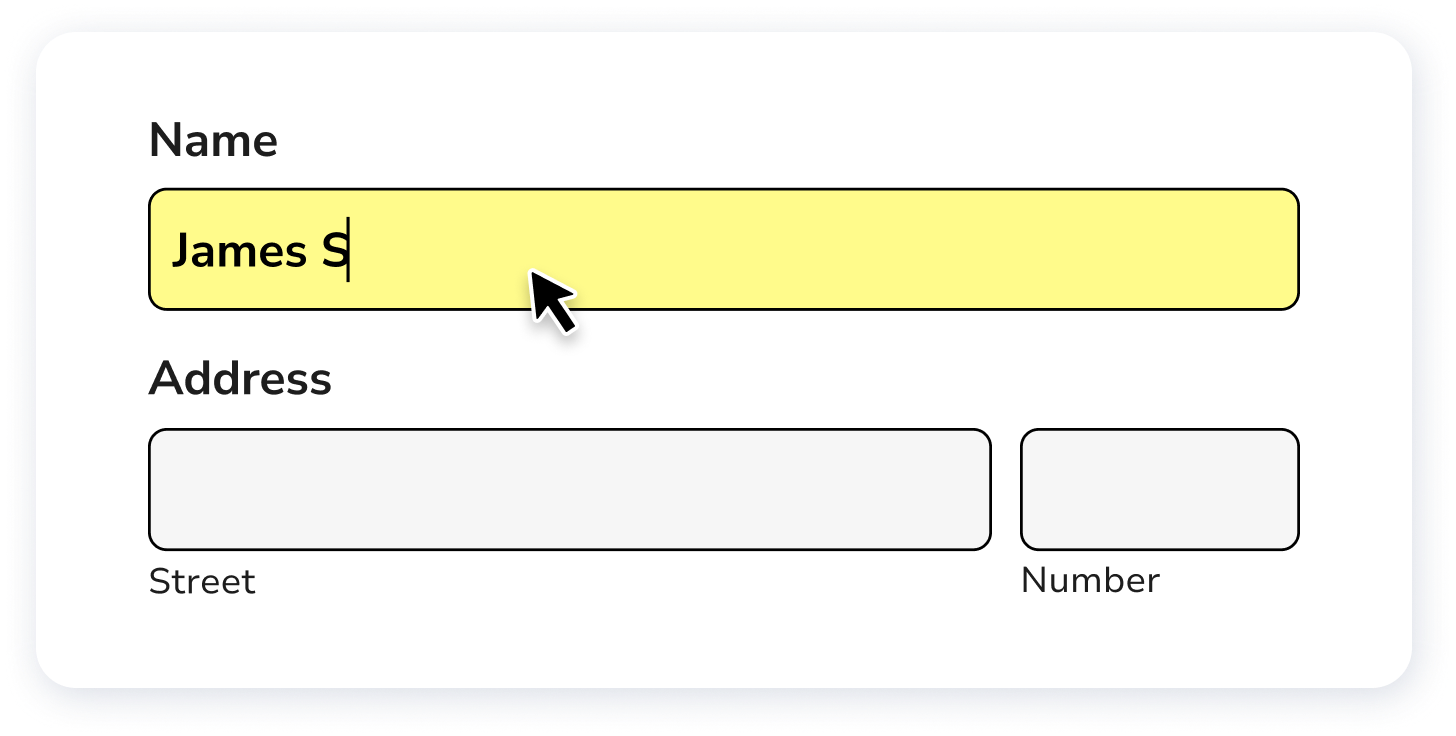
Enter the resident's full name, date of birth, address, and Medicaid identification number.
- 2
Add primary diagnoses, current medications, allergies, and any active treatments.
- 3
Describe functional limits with bathing, dressing, eating, mobility, and continence.
- 4
Note physician orders, special diets, behavioral concerns, and any safety needs.
- 5
List the recommended adult care home level of care and any infection control orders.
- 6
Review every section with the physician before sharing the completed form.
Who needs to file FL-2?
Physicians, physician assistants, and nurse practitioners working with patients who are moving into a North Carolina adult care home, family care home, or related assisted living setting complete the medical sections of FL-2. The resident, family member, or social worker handles the demographic and contact details, and the licensed provider takes responsibility for the medical recommendation.
After the form is signed, the receiving facility, county Department of Social Services, and NC Medicaid use it to confirm the resident's level of care, plan staffing, and approve any State-County Special Assistance or other benefits. The medical record then guides care plans, medication administration, and routine reviews.
Who doesn't need to file FL-2?
People who are not seeking placement in a North Carolina adult care home, family care home, or related assisted living setting do not file FL-2. Skilled nursing home admissions follow the FL-2 only when used together with the FL-2 SUP and other medical orders; many nursing facility cases rely on the MDS and PASRR forms instead. Out-of-state placements use that state's medical recommendation paperwork.
When is FL-2 due?
The deadline for FL-2 is before a resident moves into a North Carolina adult care home, since the facility cannot admit a new resident without a current physician's recommendation on file. Many counties expect an updated FL-2 at least once a year, plus a fresh form whenever there is a major change in medical condition, level of care, or facility transfer.
How to get FL-2
The North Carolina Department of Health and Human Services issues FL-2 through the NC Medicaid forms library, and most adult care homes keep current copies for new admissions. If you need a clean blank on short notice, fill ours in the editor and download the completed PDF — the physician still signs it before the facility receives the original.
How to sign FL-2
FL-2 must be signed by hand in ink, since the North Carolina Department of Health and Human Services keeps a wet signature from the physician, physician assistant, or nurse practitioner who certifies the medical recommendation. After you fill the form on our platform, download the completed file, print it, and pass it to the provider for an ink signature and date. Checking the latest NC Medicaid guidance is a good idea before submission.
Where to file FL-2
Once your FL-2 is signed, the family or social worker hands the original to the adult care home for the resident's chart and forwards a copy to the county Department of Social Services and NC Medicaid case file. Some facilities also accept it through their secure portal or by fax to the admissions office. Keep one copy with the resident's records.