
What is a Maryland Bill of Sale?
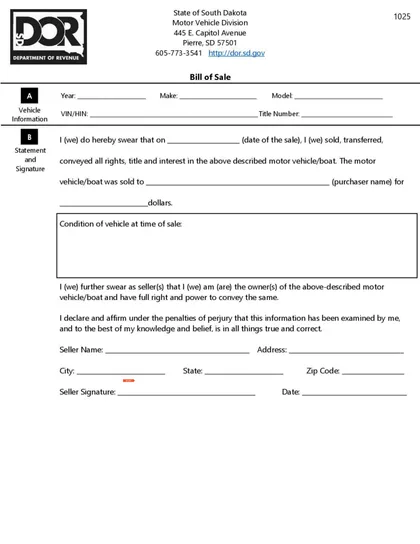
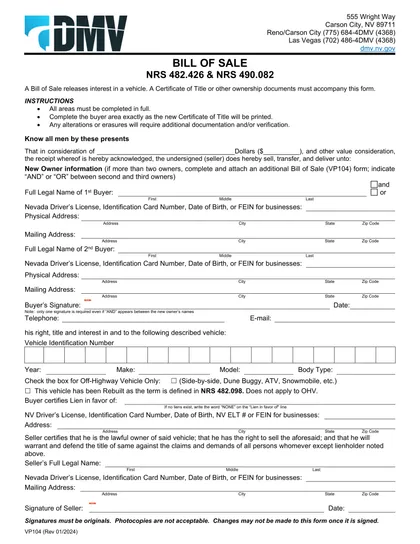
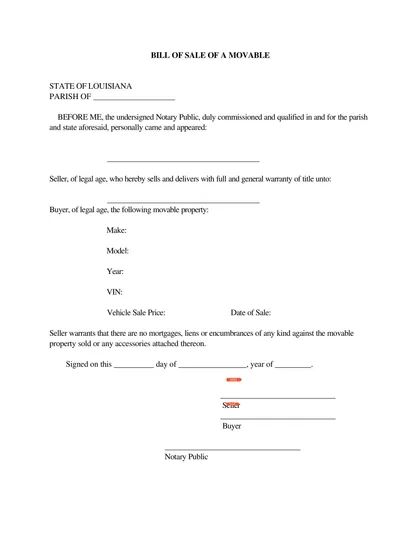
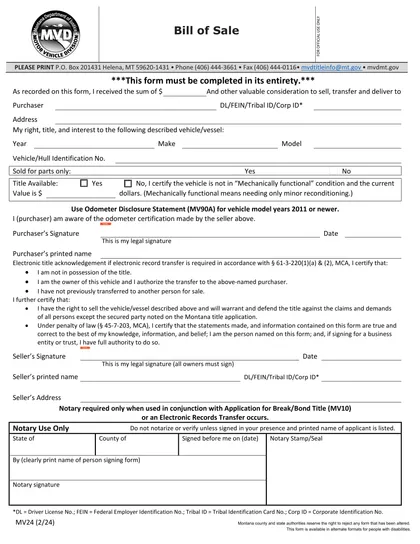
A Maryland bill of sale is a written document that records the private transfer of ownership of personal property—such as a motor vehicle, boat, firearm, or other asset—from a seller to a buyer. It documents the essential transaction details: the names and addresses of both parties, a description of the property, the agreed sale price, and the date.
Maryland Motor Vehicle Administration (MVA) accepts a bill of sale as part of the documentation needed for vehicle title transfers. It is used to establish the taxable purchase price for Maryland's excise tax calculation on vehicle titles. While Maryland does not have a single mandatory bill of sale form, the MVA's website offers guidance on acceptable documentation.
What is a Maryland Bill of Sale used for?
A Maryland bill of sale is used to formally document the transfer of personal property and protect both parties in a private sale. Specifically, it is used to:
- Document the transfer of personal property (vehicle, boat, firearm, equipment, or other items) from seller to buyer
- Establish the agreed purchase price on record — Maryland MVA uses this to calculate applicable sales tax, use tax, or registration fees when the buyer applies for a new title
- Protect the seller from future liability related to the property after the sale date
- Give the buyer proof of ownership pending receipt of a new title
- Serve as evidence in any dispute about the terms, price, or condition of the item at the time of sale
- Support insurance documentation — the buyer can present the bill of sale to their insurer as proof of acquisition and value
How to write a Bill of Sale in Maryland
- 1
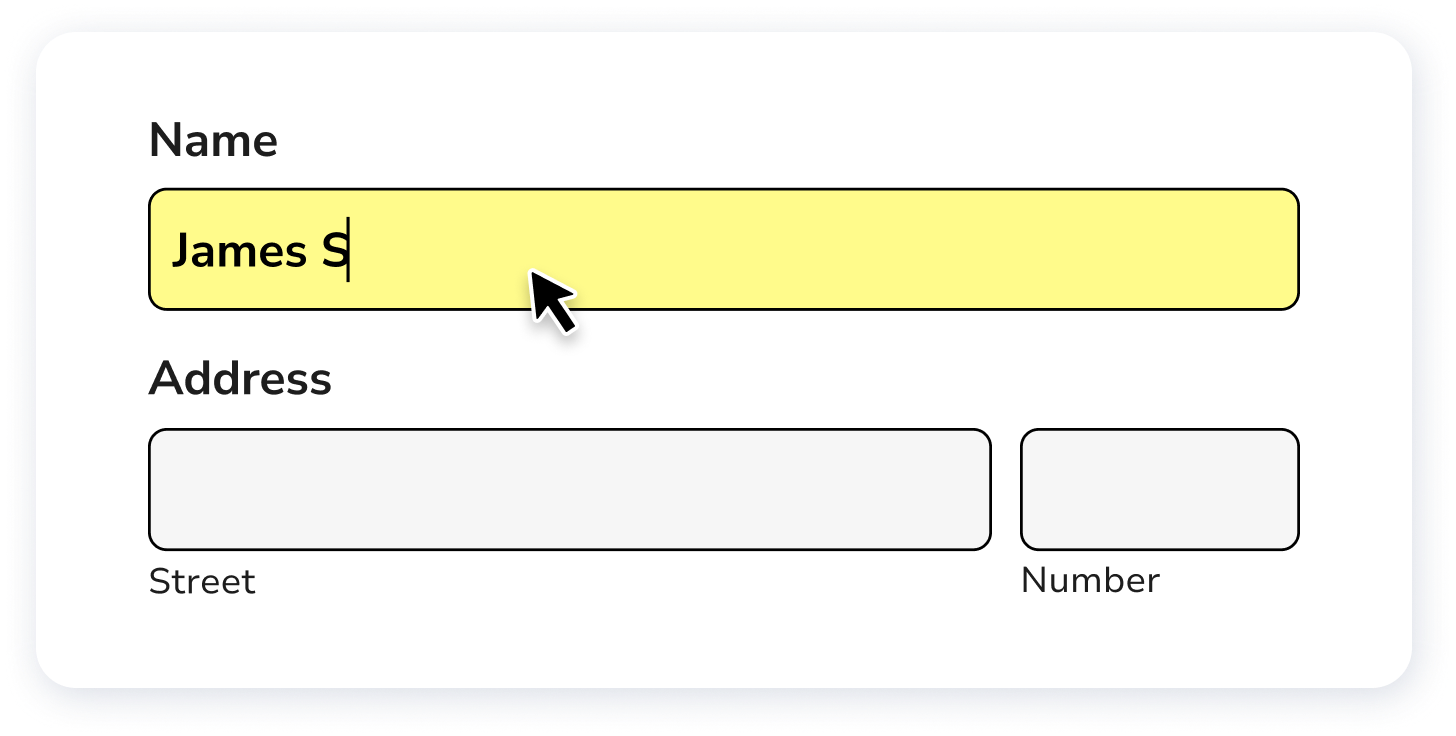
Open the form – Use PDF Guru's online editor to access a pre-loaded Maryland Bill of Sale template. No uploading or printing is required.
- 2
Enter seller details – Provide the seller's full legal name and current address.
- 3
Enter buyer details – Include the buyer's full legal name and address.
- 4
Describe the property – For vehicles, include year, make, model, color, body type, and VIN. For other items, add a detailed description and any serial number.
- 5
Record the odometer reading – Required by federal law for all motor vehicle sales.
- 6
State the purchase price – Write the agreed amount clearly.
- 7
Add the date – Record the exact date the sale takes place.
- 8
Sign the document – Both the buyer and the seller sign and date the bill of sale.
What information should a Maryland Bill of Sale include?
A complete Maryland bill of sale should include the following information:
- Full legal name and current address of the seller
- Full legal name and current address of the buyer
- Detailed description of the item being sold — for vehicles: year, make, model, color, body type, and VIN; for other property: a clear description with any serial number
- Agreed purchase price
- Date of the transaction
- Current odometer reading at the time of sale (required by federal law for all motor vehicle transfers)
- Signatures of both the buyer and the seller
Is a Bill of Sale required in Maryland?
Maryland law does not require a bill of sale for all private property sales. For vehicle title transfers, Maryland MVA strongly recommends a bill of sale alongside the signed vehicle title to document the purchase price for excise tax purposes.
If no bill of sale is provided, Maryland may calculate the excise tax using the vehicle's book value. For vessel transfers, the Maryland Department of Natural Resources may also request a bill of sale.
Does a Maryland Bill of Sale need to be notarized?
No. Maryland does not require a bill of sale to be notarized for most personal property transactions, including motor vehicle sales. A Maryland bill of sale is legally valid without notarization.
Notarization may be added voluntarily for high-value transactions or if either party desires additional legal protection. It is not required by the Maryland MVA or under Maryland law.
How long is a Maryland Bill of Sale valid?
A Maryland bill of sale has no expiration date. Once both parties sign it, it becomes a permanent legal record of the transaction. Neither party needs to renew or re-execute the document—it remains valid indefinitely as long as it accurately reflects the completed sale.
Both the buyer and the seller should keep their signed copies for their personal records. For vehicle transactions, retain the bill of sale until the Maryland MVA has processed the title transfer and issued a new title in the buyer's name. The document may also be needed as proof of purchase for insurance, tax verification, or future ownership disputes.
Where can I get a blank Maryland Bill of Sale?
PDF Guru provides a ready-to-use Maryland Bill of Sale template preloaded in our online editor. There is no need to download or upload anything in advance—simply open the form, fill in all required fields, add your electronic signature, and download the finished document as a PDF.
Maryland does not publish a single mandatory bill of sale form for all transaction types. PDF Guru's template covers all the information required for a valid Maryland bill of sale. Delivering the signed document and handling the title transfer with the Maryland MVA is your responsibility.
How to sign a Maryland Bill of Sale online
PDF Guru makes it easy to sign your Maryland Bill of Sale online without printing or scanning. Once you have completed all required fields in the form, use the Sign tool in the editor. You can draw your signature with a mouse or trackpad, type your name, or upload a saved signature image. Position the signature in the designated field for the seller — if both parties are signing digitally, the buyer can do the same before the final download.
When your signatures are in place, click Done to download the completed PDF to your device. Electronic signatures are generally accepted for private-party bill of sale transactions in Maryland. If you plan to submit the bill of sale to the Maryland MVA as part of a title transfer, confirm in advance whether an original ink signature is required.