
What is a Tennessee Power of Attorney?
A Tennessee Durable Power of Attorney is a legal document that grants another person — called the agent or attorney-in-fact — broad authority to manage financial, legal, and property matters on behalf of the principal in Tennessee. Unlike a standard power of attorney, a durable power of attorney remains valid even if the principal becomes mentally incapacitated or unable to manage their own affairs. The word "durable" specifically refers to this continued effectiveness through incapacity.
In Tennessee, a durable power of attorney must be signed by the principal — notarization is strongly recommended for acceptance by financial institutions and other third parties to be legally valid. The document typically takes effect immediately upon execution unless it specifies a future date or a triggering event. It remains in force until the principal revokes it in writing, the principal passes away, or a court terminates it.
Tennessee does not have a specific durable power of attorney statute. Tennessee courts recognize durable powers of attorney under common law agency principles. While there is no statutory requirement for witnesses or notarization, it is strongly recommended to notarize the document and have at least two adult witnesses sign it, as banks, title companies, and government agencies typically expect these formalities.
What is a Tennessee Power of Attorney used for?
A Tennessee Durable Power of Attorney is used to give a trusted person legal authority to manage your financial and property affairs — and to ensure those decisions can continue seamlessly if you become unable to act for yourself. Specifically, it is used to:
- Manage bank accounts, investments, and other financial assets while the principal is incapacitated
- Pay bills, mortgage payments, insurance premiums, and everyday expenses on the principal's behalf
- Handle real estate transactions — buying, selling, leasing, or mortgaging property
- File federal and state tax returns and manage tax-related matters
- Operate or manage a business owned by the principal
- Apply for government benefits such as Social Security, Medicare, or Medicaid
- Manage retirement accounts and collect distributions
- Make legal and financial decisions to avoid the need for court-appointed guardianship
How to fill out a Tennessee Power of Attorney

To fill out a Tennessee Durable Power of Attorney, follow these steps:
- 1
Download or open a Tennessee Durable Power of Attorney form.
- 2
Enter the principal's full legal name, current address, and date of birth.
- 3
Name your agent (attorney-in-fact): full legal name, address, and phone number. You may also name one or more successor agents in case the primary agent cannot serve.
- 4
Specify the financial powers you are granting — banking, real estate, tax filings, business management, government benefits, retirement accounts, or other categories.
- 5
Include the durable language. This clause must state that the power of attorney remains effective even if the principal becomes incapacitated (e.g., "This power of attorney shall not be affected by the subsequent disability or incapacity of the principal").
- 6
Sign and date the document. Although Tennessee has no specific statutory requirement, have the document notarized by a notary public — this is required by most banks, title companies, and government agencies.
- 7
For additional protection, have one or two adult witnesses also sign the document.
- 8
Give a signed copy to your agent and keep the original in a secure location. Provide copies to banks, financial institutions, or other parties where the agent will act.
What should a Tennessee Power of Attorney include?
A Tennessee Durable Power of Attorney should include the following:
- Principal's full legal name, current address, and date of birth
- Agent's (attorney-in-fact's) full legal name, address, and contact information
- Successor agent(s) — the person(s) who will act if the primary agent cannot or will not serve
- Specific financial powers granted: banking, real estate, investments, tax filings, business management, government benefits, retirement accounts, gifts, trusts, and other categories
- Durability clause: language stating the POA is not affected by the principal's subsequent incapacity (e.g., "This power of attorney shall not be affected by disability or incapacity of the principal")
- Effective date or triggering conditions (immediate vs. springing upon incapacity)
- Any limitations or restrictions on the agent's authority
- Signature block for the principal, witness(es) (if required), and notary public
- Date of execution
Who needs to sign a Tennessee Power of Attorney?
A Tennessee Durable Power of Attorney must be signed by:
- Principal (the person granting the powers) — must sign voluntarily and with mental capacity
- Notary public — strongly recommended (required by most banks and institutions)
- One or two adult witnesses — recommended for added protection
Tennessee has no specific statute mandating witnesses or notarization, but most financial institutions and government agencies expect a notarized document.
Does a Tennessee Power of Attorney need to be notarized?
Tennessee does not have a specific durable power of attorney statute that mandates notarization. However, notarization is strongly recommended. Most Tennessee financial institutions and government agencies require a notarized power of attorney before recognizing the agent's authority.
Best practice is to sign the document in the presence of a notary public and have at least two adult witnesses sign as well. This ensures maximum acceptance across banks, title companies, and other third parties.
How long is a Tennessee Power of Attorney valid?
A Tennessee Durable Power of Attorney does not have an automatic expiration date. Once properly executed, it remains valid indefinitely — through the principal's incapacity (that is the defining characteristic of a "durable" document).
The Tennessee Durable Power of Attorney terminates automatically when:
- The principal revokes it in writing and delivers the revocation to the agent
- The principal passes away (a POA is not a substitute for a will and does not survive death)
- A court declares the POA invalid or terminates it
- The document itself specifies a termination date or condition
To revoke a Tennessee Durable Power of Attorney, the principal must be mentally competent, create a written revocation document, and notify the agent — and ideally notify any institutions (banks, brokers) where the agent has been acting.
Where can I get a Tennessee Power of Attorney form?
A free Tennessee Durable Power of Attorney form is available from several sources:
- The Tennessee state legislature or courts website — many states publish the official statutory form or a recommended template at no cost
- State bar association websites and legal aid organizations
- Estate planning attorneys who practice in Tennessee
You can also use PDF Guru to fill out your Tennessee Durable Power of Attorney online. Our editor lets you complete all required fields, add your electronic signature, and download the finished document as a PDF — ready to bring to your notarization appointment.
How to sign a Tennessee Power of Attorney online
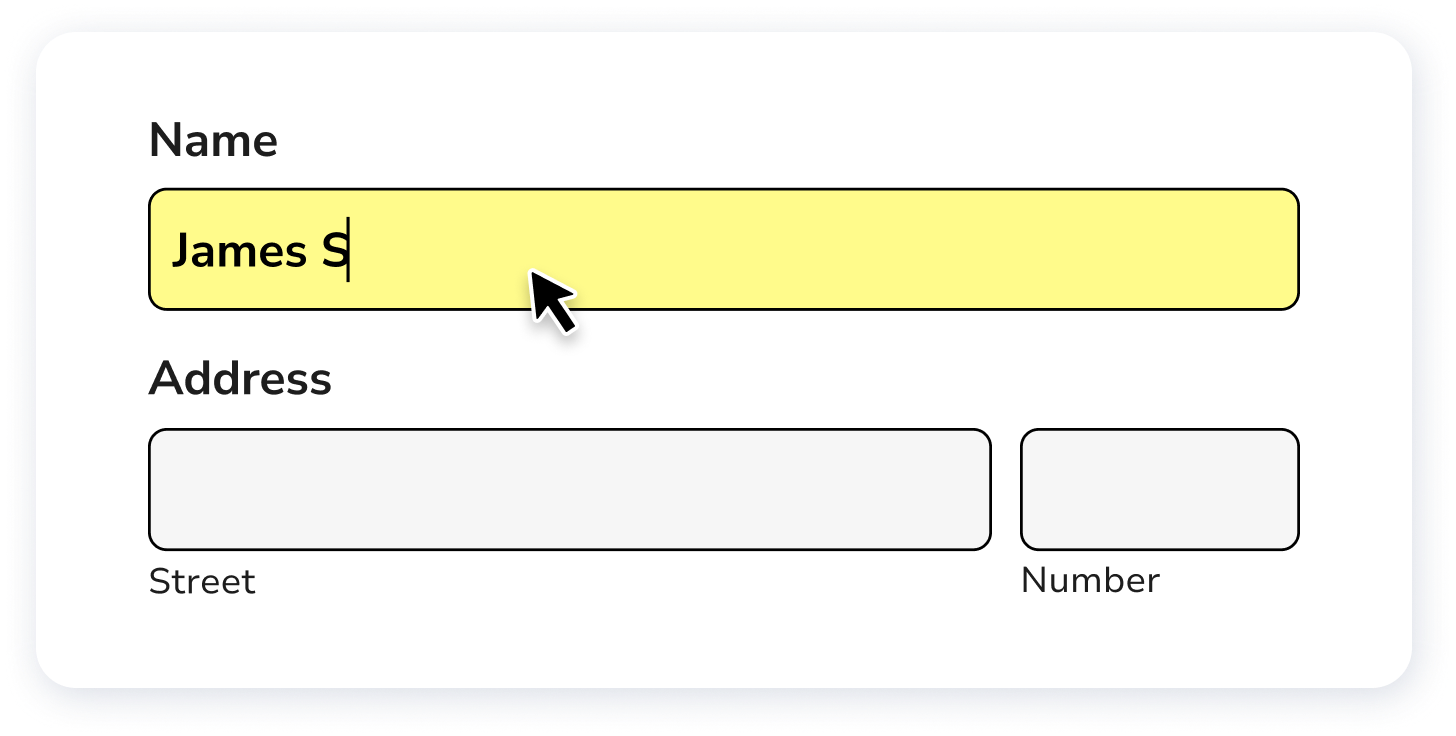
PDF Guru makes it easy to prepare your Tennessee Durable Power of Attorney online. Open the form in our editor and complete all required fields — the principal's information, agent details, powers granted, and the durable clause. Use the text tool to fill in all sections without printing or scanning.
When the form is complete, click the Sign tool in the editor. You can draw your signature with a mouse or trackpad, type your name, or upload a saved signature image. Once your electronic signature is placed, click Done to download the completed PDF to your device.
Tennessee has no specific statutory requirement for in-person notarization. You may use PDF Guru's electronic signature tool to sign the document digitally. However, most Tennessee banks and financial institutions require a notarized document — print and notarize in person for broad acceptance.