
What is Form 5329?
Form 5329 is needed for taxpayers to report additional taxes on IRAs, other qualified retirement plans, and other tax-favored accounts. It's essential for individuals who have taken early distributions, have excess contributions, or didn't take required minimum distributions.
Filling out Form 5329 helps calculate and report additional taxes owed by accurately reporting these activities to the IRS.
What is Form 5329 used for?
Form 5329 is essential for addressing specific tax situations related to retirement plans and savings accounts. Here's what it's used for:
- To report additional taxes on IRAs, other qualified retirement plans, and other tax-favored accounts.
- To correct excess contributions to these accounts.
- To report certain distributions from education savings accounts or Coverdell ESAs.
- To report additional taxes related to health savings accounts (HSAs), Archer MSAs, and ABLE accounts, when applicable.
How to fill out Form 5329

- Part I — Additional Tax on Early Distributions Complete this part if you took an early distribution from a qualified retirement plan, IRA, or modified endowment contract before age 59½.
- Part II — Additional Tax on Certain Distributions From Education Accounts and ABLE Accounts Use this part if you had taxable distributions from a Coverdell education savings account (ESA), a qualified tuition program (QTP), or an ABLE account.
- Part III — Additional Tax on Excess Contributions to Traditional IRAs Complete this part if you contributed more than allowed to a traditional IRA, SEP IRA, or SIMPLE IRA.
- Part IV — Additional Tax on Excess Contributions to Roth IRAs Use this part if your Roth IRA contributions exceeded the annual limits.
- Part V — Additional Tax on Excess Contributions to Coverdell ESAs Complete this part if your Coverdell ESA contributions were more than allowed.
- Part VI — Additional Tax on Excess Contributions to Archer MSAs Use this part if contributions to an Archer MSA exceeded the allowable limits.
- Part VII — Additional Tax on Excess Contributions to Health Savings Accounts (HSAs) Complete this part if HSA contributions were more than allowed for the year.
- Part VIII — Additional Tax on Excess Contributions to an ABLE Account Use this part if contributions to an ABLE account exceeded the annual limit.
- Part IX — Additional Tax on Excess Accumulation in Qualified Retirement Plans (Including IRAs) Complete this part if you did not take the required minimum distribution (RMD) from a qualified retirement plan or IRA.
- Signature section (only if filing separately) Sign and date the form only if you are filing Form 5329 by itself, not with your tax return.
Who is required to fill out Form 5329?
Individuals who have discrepancies in retirement or education account contributions and withdrawals are responsible for filling out tax Form 5329. This includes excess contributions or insufficient distributions.
After submission, the IRS uses Form 5329 to determine and assess any additional taxes owed on improper contributions and distributions, ensuring compliance with tax laws.
When is Form 5329 not required?
Form 5329 is not required if you followed IRS rules for your retirement or other tax-favored accounts. You do not need to file this form if you did not take any distributions, or if the distributions you took were fully qualified and met all IRS requirements. The same applies if you did not make excess contributions to IRAs or other tax-advantaged accounts.
In short, if your contributions were within the allowed limits and your withdrawals were handled correctly, there is no need to complete Form 5329. This form is only used to report additional taxes when IRS rules for tax-favored accounts are not met.
When is IRS Form 5329 due?
The deadline for Form 5329 is April 15 of the year following the tax year to which the additional taxes apply. If the taxpayer files a federal income tax return, Form 5329 is due by the same deadline as the return, including extensions.
If you need more time, you can request an extension to file this form along with your tax return. Remember, meeting this deadline is crucial to avoid potential penalties.
How to get a blank Form 5329
Our platform offers a preloaded Form 5329 (PDF version) you can fill out and download directly in the editor. Please, note that we don't assist with submitting the form to the IRS.
How to sign Form 5329 online
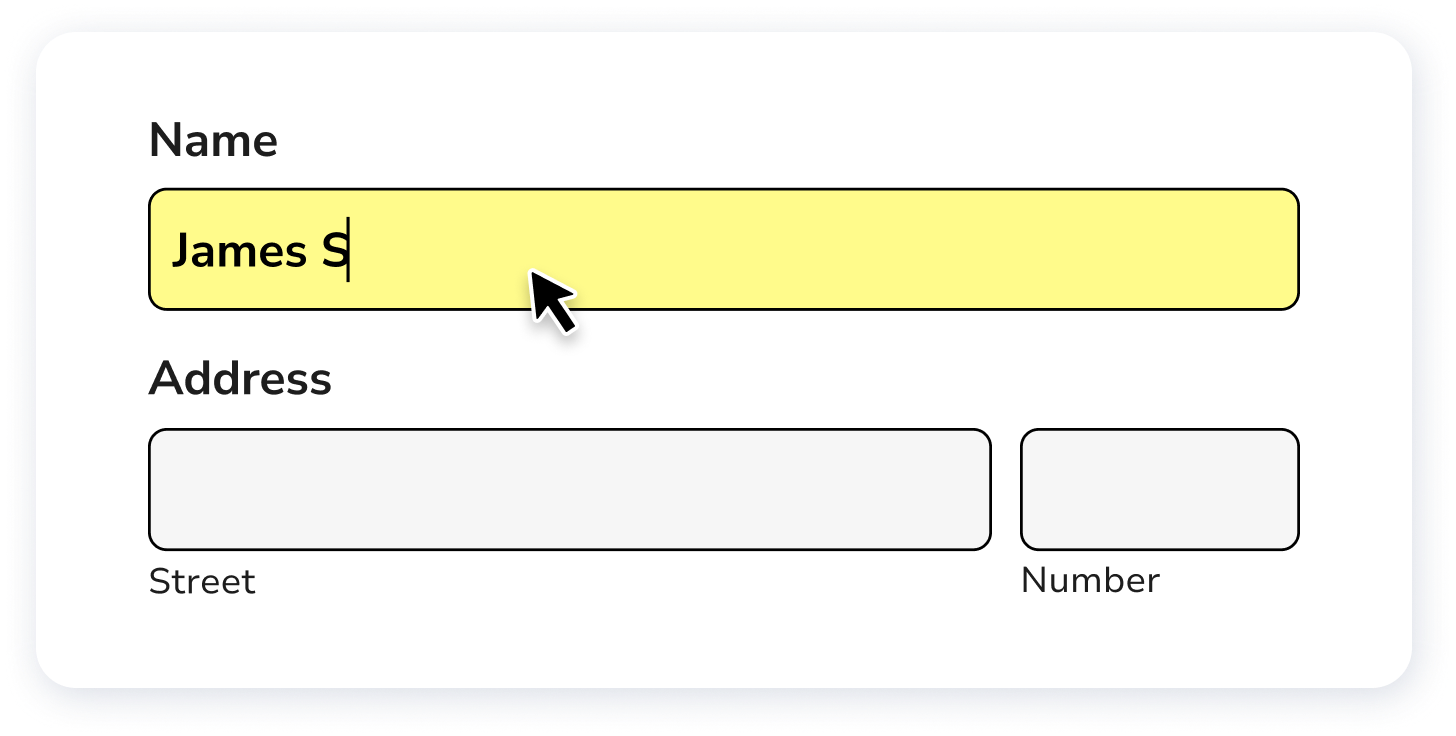
You can prepare and sign IRS Form 5329 electronically using our editor. With PDF Guru, start by completing all required fields in the fillable document.
Once the form is complete, create an electronic signature by typing or drawing it in the editor and place it in the appropriate signature area. After signing, download the completed form for your records or for submission to the IRS.
Where to file Form 5329?
Form 5329 is not filed on its own in most cases. It is usually attached to your federal income tax return and filed together with your Form 1040.
If you are not required to file an income tax return, Form 5329 can be filed by itself, typically by mailing it to the IRS address listed in the form instructions.
Before filing, review the form carefully to ensure all applicable sections are completed accurately.
Forms closely related to 5329
- Form 1040 — U.S. Individual Income Tax Return Filed to report an individual’s federal income tax. Form 5329 is usually attached to Form 1040, and any additional taxes calculated are included on the return.
- Form 1099-R — Distributions From Pensions, Annuities, and Retirement Plans Used to report distributions from IRAs and retirement plans. Early withdrawals or missed required minimum distributions (RMDs) shown here often require filing Form 5329.
- Form 5498 — IRA Contribution Information Reports IRA contributions and account fair market value. This information helps identify excess contributions that must be reported on Form 5329.
- Form 8606 — Nondeductible IRAs Used to track nondeductible IRA contributions and basis. It often accompanies Form 5329 when determining whether distributions are subject to additional taxes.
- Form 8889 — Health Savings Accounts (HSAs) Applies to reporting HSA contributions and distributions. Form 5329 is required when additional HSA-related taxes apply.
- Form 8853 — Archer MSAs and Long-Term Care Insurance Contracts Used for reporting activity in Archer MSAs. Form 5329 may be required if excess contributions or other additional taxes apply.
- Form 1099-Q — Payments From Qualified Education Programs Used to report distributions from Coverdell ESAs and qualified tuition programs (QTPs). Certain distributions can result in additional taxes reported on Form 5329.